Yes — dental work in Mexico is safe when you choose an established, properly credentialed clinic. The real question isn't the country; it's the specific dentist and clinic you pick.
Every year, hundreds of thousands of patients from the US and Canada travel to Mexico for dental care — and the overwhelming majority have excellent, uneventful experiences at a fraction of the cost back home. Many Mexican dentists train to the same clinical standards, use the same implant systems and materials, and follow the same international sterilization protocols as North American practices.
But "Mexico" isn't one thing. Quality varies clinic to clinic — exactly like it does in the US or Canada. So instead of asking "is Mexico safe?", the smarter question is "how do I tell a safe, high-quality clinic from a risky one?" That's what this guide is about.
What actually makes dental treatment safe
Safety in dentistry comes down to a handful of concrete, checkable things — and none of them depend on which side of the border you're on:
- A named, credentialed dentist — a real, licensed professional you can look up, not just a brand name.
- Proper sterilization and infection control — autoclaves, single-use disposables, and clear protocols.
- Recognized implant systems and materials — established brands and quality ceramics (zirconia, e.max), not cheap unbranded parts.
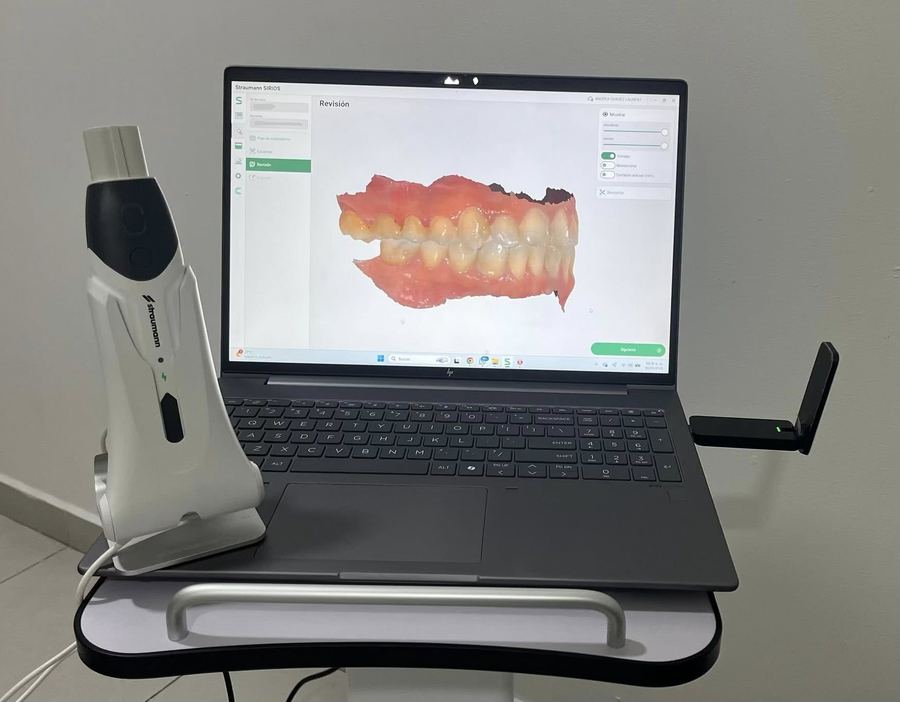
- Digital planning and records — CT scans and digital design mean precise, traceable, repeatable work.
- A written treatment plan and warranty — you should know exactly what's being done, for how much, and what happens if something needs adjusting.
- Realistic timelines — good work isn't rushed into 48 hours to fit a cruise stop.
How to spot a trustworthy clinic (a checklist you can use)
Before you book anything, run any clinic — including ours — through this list:
- Can you find and verify the dentist's name and credentials?
- Are there real Google reviews from international patients, with specifics?
- Do they explain their sterilization and materials clearly when you ask?
- Do they give you a written quote and plan before you travel?
- Do they communicate quickly and clearly in English before you've paid anything?
- Do they set honest expectations about how many days you'll need and how healing works?
Red flags to walk away from
- No named dentist — just a logo and a call center.
- Prices that seem too good to be true, with no detail on materials.
- Pressure to decide instantly, or to fit major surgery into a single rushed day.
- Vague or evasive answers about warranty and follow-up.
Common myths vs. facts
Myth: "Cheaper means lower quality."
Fact: The lower price mostly reflects Mexico's lower cost of labor, real estate and overhead — not cut corners. The same implant brands and ceramics used in the US are available here.
Myth: "Mexican dentists aren't as well trained."
Fact: Dentistry is a demanding university degree in Mexico, and many dentists pursue further specialization. What matters is the individual's training and track record — which you can verify.
Myth: "If something goes wrong, you're on your own."
Fact: A serious clinic gives you a written warranty, keeps your digital records, and stays in contact after you fly home. Because our restorations are designed in-house, a replacement can be re-milled precisely from your existing plan.
How Aurum Dental approaches safety
We're a private clinic in Puerto Morelos, 20 minutes from Cancún International Airport. Here's specifically how we address the points above:
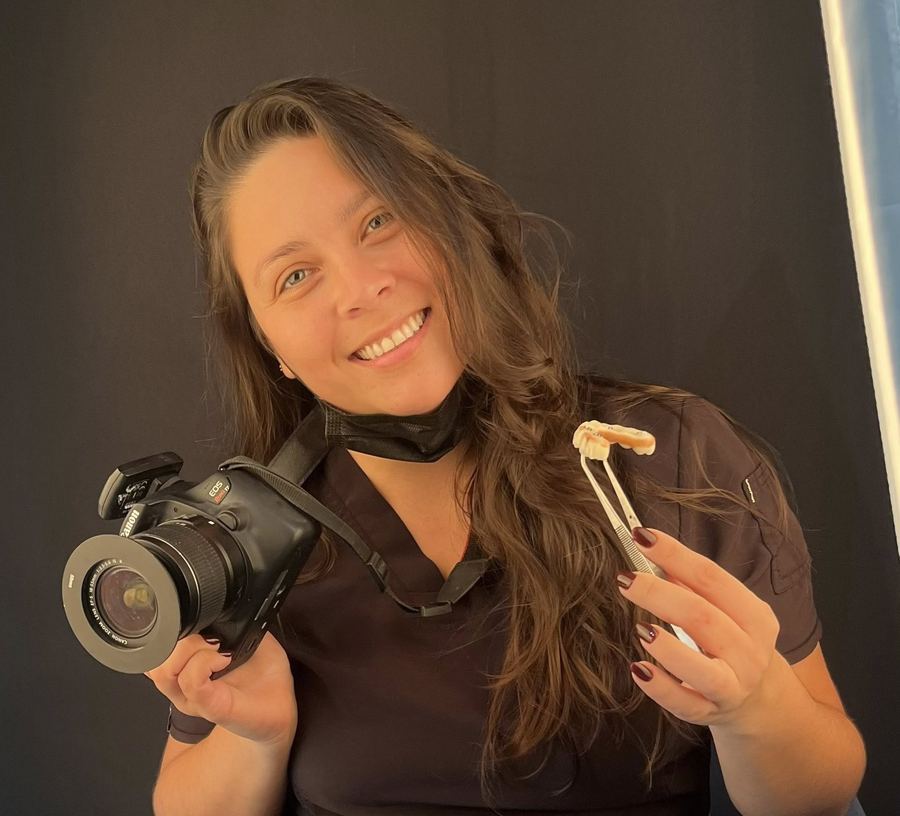
- One named dentist owns your case — Dr. Andrea Chávez Laurent (DDS, Universidad Autónoma de Nuevo León), not a rotating team.
- Our own in-house digital lab (Vitreo) — we design, mill and finish your restorations on-site with exocad and 5-axis Arum milling, so nothing is outsourced and quality is controlled end-to-end.
- Premium materials — zirconia and e.max, recognized implant systems, digital CT-based planning.
- Verifiable reputation — real 5.0-star Google reviews from patients, including international ones.
- Clear communication — English-speaking care, written plans, and follow-up after you travel home.
Have a question about your case?
Ask us anything — no pressure, no obligation. We'll give you an honest answer.
Frequently asked questions
Is dental work in Mexico safe?
Yes — when you choose an established, properly credentialed clinic. Many Mexican dentists train to the same standards as US and Canadian dentists, use the same implant systems and materials, and follow international sterilization protocols. Vet the specific clinic and dentist, not the country.
Are dental implants in Mexico safe?
Yes, when placed by a trained implant dentist using recognized systems and proper digital planning. At Aurum, implants are placed by Dr. Andrea Chávez Laurent (DDS, UANL) with CT-based planning and restorations from our in-house digital lab.
How can I tell if a Mexican clinic is trustworthy?
Look for a named, credentialed dentist; verifiable Google reviews from real international patients; clear sterilization protocols; recognized brands; digital records; written plans and warranties; and responsive English-speaking communication before you travel.
What are the real risks of dental tourism?
They come mostly from choosing the wrong clinic — rushed treatment, unqualified providers, cheap materials, poor follow-up. All avoidable by vetting carefully, insisting on a written plan, and allowing enough time for proper treatment and healing.
Is Puerto Morelos / Cancún safe for dental tourism?
Puerto Morelos is a quiet coastal town about 20 minutes from Cancún airport, between Cancún and Playa del Carmen, and a common base for international patients. Use standard travel precautions; your clinic can help coordinate transfers and accommodation.